Transforming Order-to-Cash and e-invoicing in the energy sector

A large-scale transformation program redesigning sales, logistics, finance and e-invoicing processes for a global energy-sector organisation.
Summary
As part of a major digital transformation program, the organisation redesigned its end-to-end Order-to-Cash process to connect sales, logistics, finance and reporting within one integrated ecosystem. The initiative also supported the transition away from legacy systems and introduced a more modern, scalable digital architecture. The wider transformation program was delivered over three years in Agile, involved 12 scrum teams and included four major production rollouts, enabling gradual migration from legacy environments to new solutions.
Client
Industry
Energy
Service
Digital transformation, system integration, process automation
Deliverables
Order management, logistics platform, ERP and finance integration, KSeF hub, invoice workflows, data warehouse, Power BI reporting
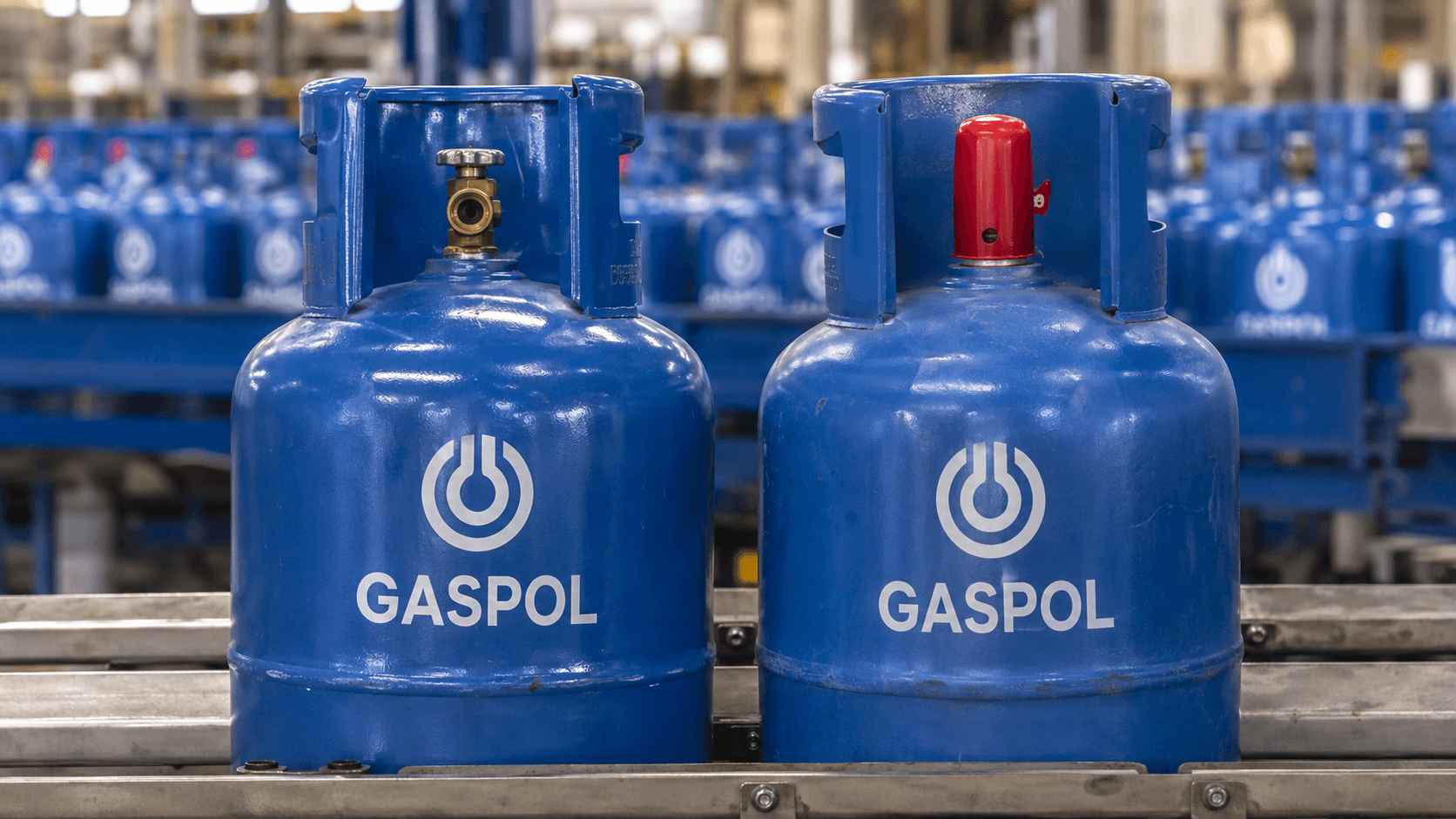
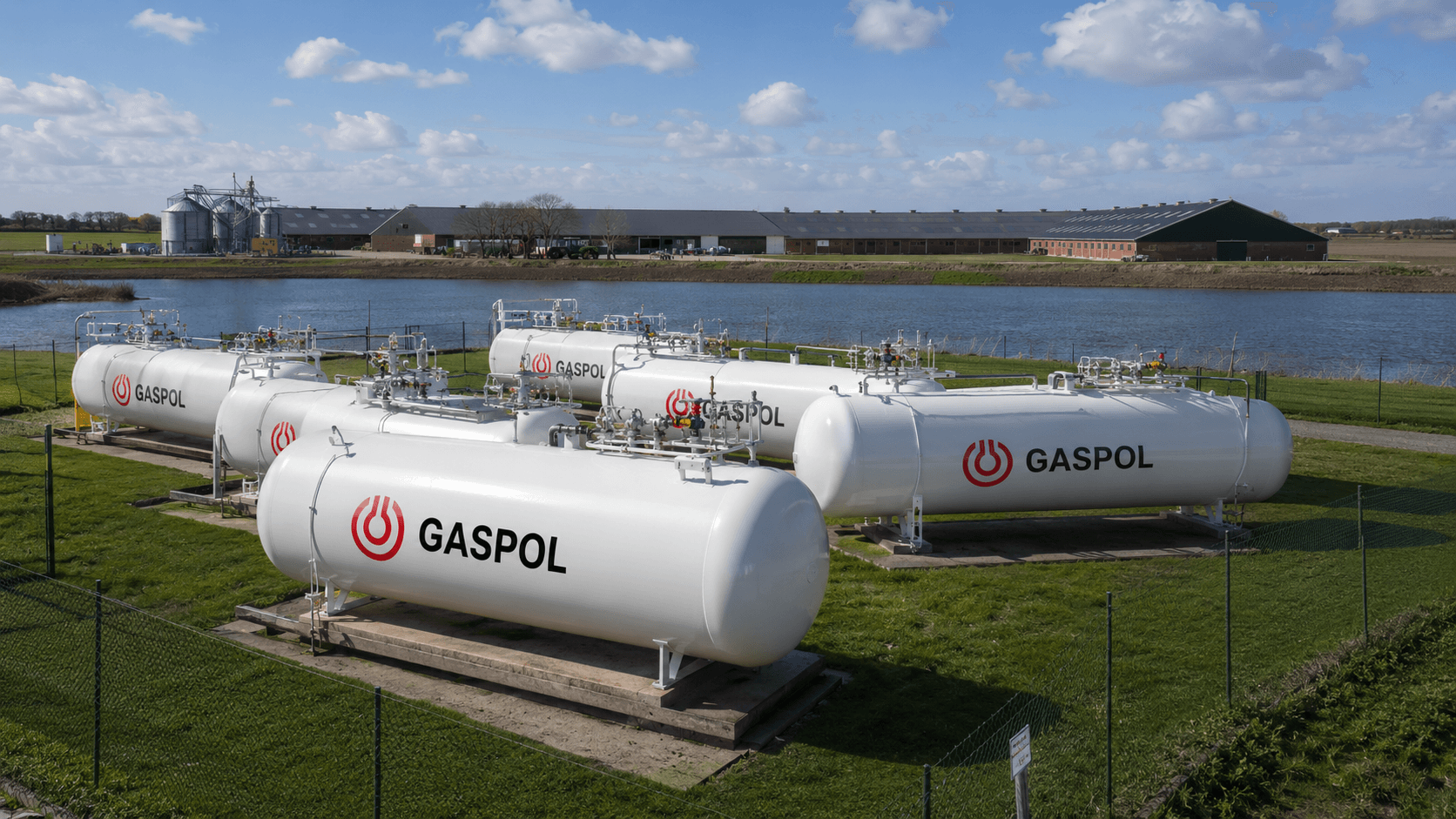
GASPOL is one of Poland’s most recognisable providers of modern energy solutions, offering products and services based on LPG, LNG and bioLPG for both households and businesses. The operates in the Polish market since 1991, serves more than 30,000 homes, and is part of the global SHV Energy group

Details

The Client
GASPOL is one of Poland’s most recognisable providers of modern energy solutions, offering products and services based on LPG, LNG and bioLPG for both households and businesses. The company operates in the Polish market since 1991, serves more than 30,000 homes, and is part of the global SHV Energy group.
The challenge

The organisation needed to replace fragmented legacy processes with one consistent Order-to-Cash model covering order capture, pricing, logistics, invoicing and finance. At the same time, it had to manage a highly complex system landscape, including customer, contract, order, logistics, pricing and ERP applications, supported by around 150 integrations and a new reporting layer. 

An additional challenge was to regain control over delivery in a program of significant scale and complexity, while maintaining business continuity and gradually moving the organisation onto a new digital foundation.

The solution

A modern end-to-end Order-to-Cash process was designed and implemented for both retail and wholesale operations. The new landscape integrated sales, CRM, pricing, logistics, ERP and reporting, while the logistics domain was delivered through dedicated solutions supporting transport planning, operational execution and stock updates in real time.

The broader program covered applications for customer records, contracts, orders, logistics, pricing, ERP finance, a new data warehouse and Power BI reporting. It also included parallel delivery across multiple technology streams and a strong integration backbone supporting business-critical processes. 

The scope was further extended with e-invoicing and KSeF integration, including automated outbound invoice handling, invoice workflow orchestration and digital processing of financial documents.

Key results and innovations
  • Unified and automated Order-to-Cash process
  • Improved control over financial risk and invoicing
  • Better logistics planning and execution
  • Greater visibility through integrated reporting and analytics
  • A scalable architecture supporting further digital growth
  • A structured transition away from legacy systems
The program created a foundation for continued digitalisation by improving sales, logistics and finance processes, while strengthening reporting and integration capabilities across the organisation.
Conclusion
This case demonstrates how complex business transformation can succeed when process redesign, system integration and delivery governance are addressed together. The result was a scalable digital platform supporting operational efficiency, data-driven decision-making and readiness for future growth.